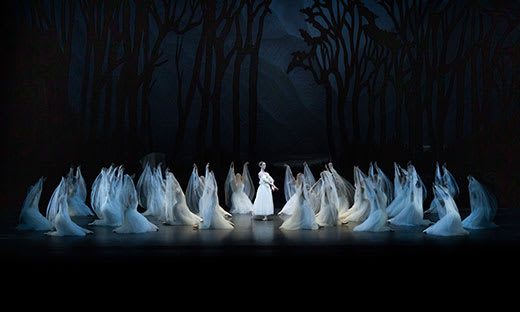
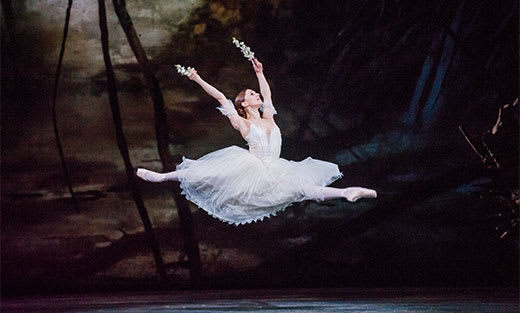
Identify the key elements that classify Giselle as a romantic ballet.
How do Marianela Nuñez (The Royal Ballet, 2016) and Olga Smirnova (Dutch National Ballet, 2023) contrast in their interpretations of the Giselle Act I Variation, and how do their distinct artistic strengths reshape the character of Giselle?
How does Giselle utilize the highly codified, 19th-century language of ballet-pantomime to communicate complex psychological trauma? Are these gestures still emotionally accessible to modern audiences?
The Sleeping Beauty
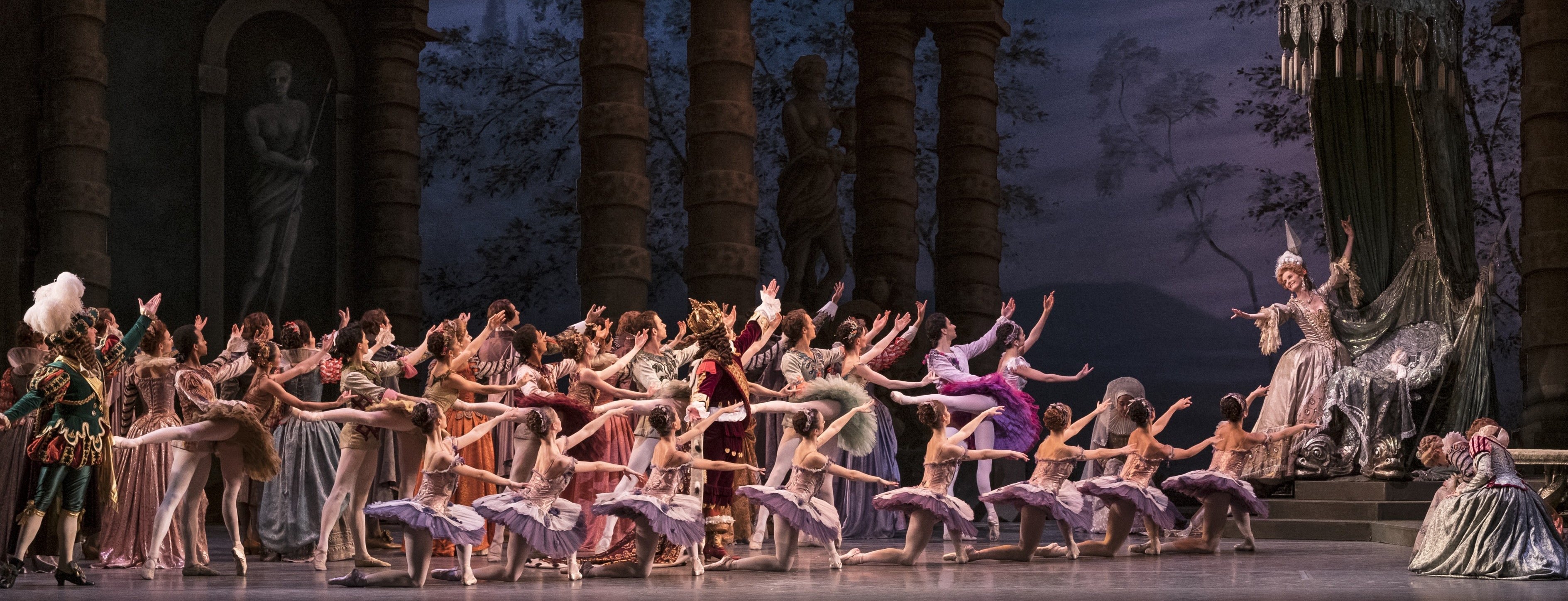
The Sleeping Beauty, Royal Ballet, 2020
Despite its technical prowess and stunning score, Sleeping Beauty originally debuted in 1890 to a lukewarm reception. What elements of the production may have failed to reach audiences and do these challenges still affect modern restagings?
Act 1’s Rose Adagio is often seen as the ultimate test of a dancer’s strength, technique and poise. How does the increasing impossibility of the choreography interact with the building drama of the score?
Compare Aurora with earlier iterations of the classical prima role such as Giselle and Odette. How do developments in choreography and style challenge or maintain the tropes of 19th century ballet heroines?
The Dream
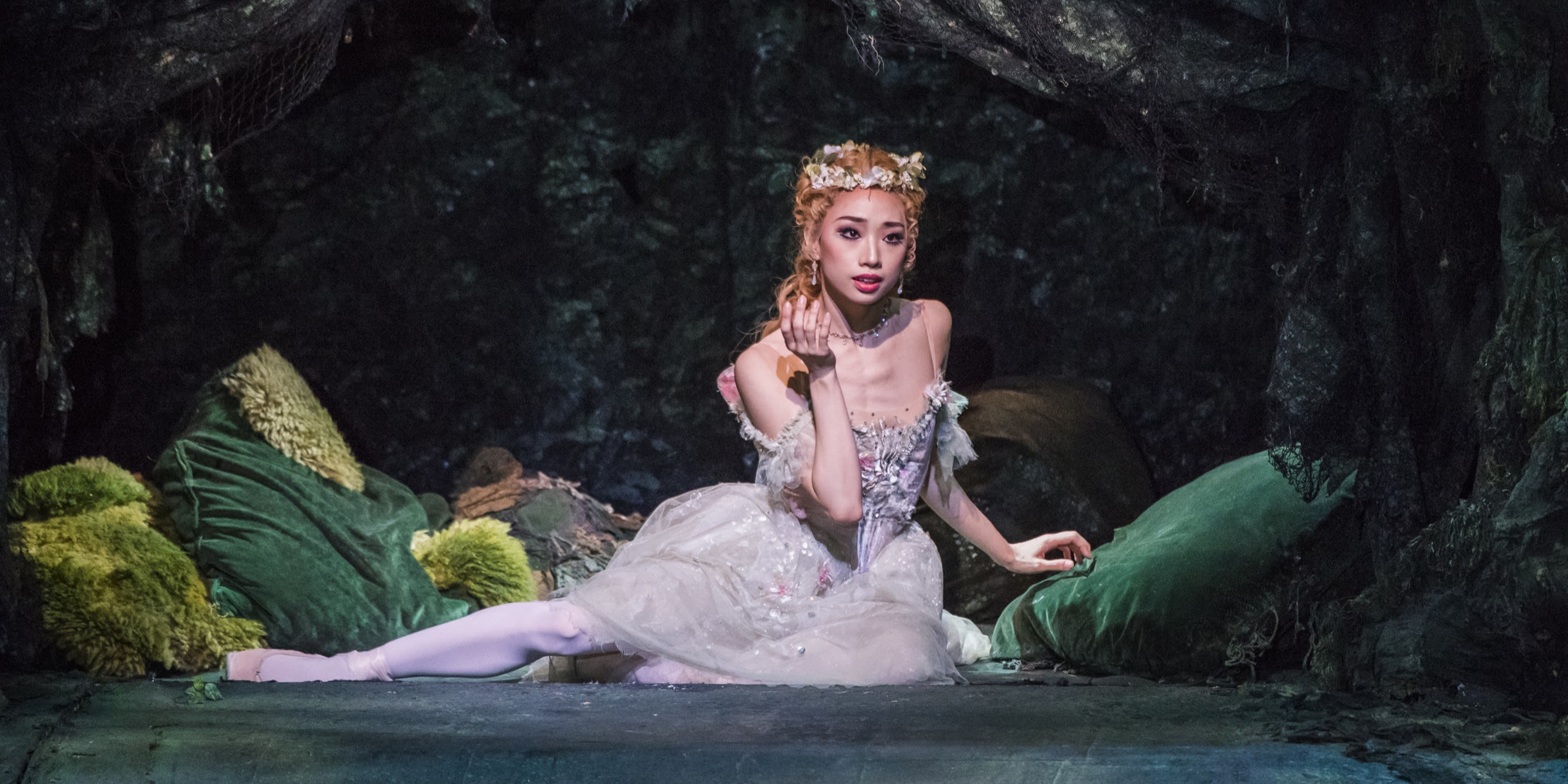
The Dream, Royal Ballet, 2017
How does the choreography for the fairies in The Dream differ from more traditional representations of classical ballet fairies, and what distinct audience effect does this evolution elicit?
Ashton’s choreography in The Dream tells the story without heavily relying on mime. Explore what other aspects of the production guide the audience’s understanding of plot, character and setting.
The role of Oberon has been widely regarded as one of the most commanding and complex male roles in classical ballet. What aspects of the choreography and narrative set Oberon apart from more traditional male roles?